
Lublin feels like the kind of place that refuses a simple checklist. Instead, it offers something closer to a game you play on foot, with Renaissance frescoes tucked in cellars and a hill that has observed the streets below since the sixth century. Spotted by Locals’ local Spotters helped map one full day of it. You can follow their path or wander off when something pulls you.
Morning
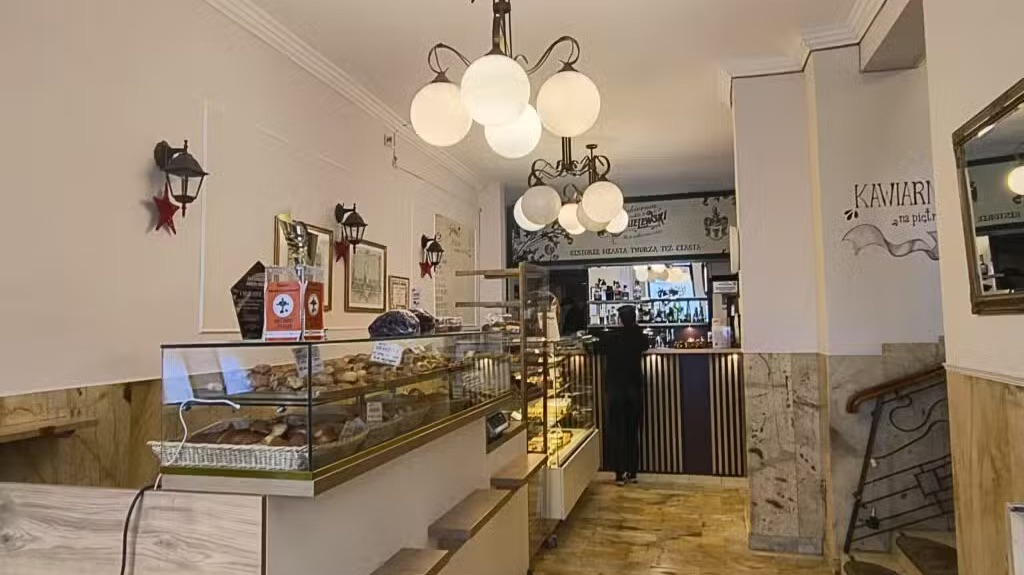
Morning begins with coffee, of course. Locals head first to Chmielewski Confectionery, the oldest café in town. Sabina swears by the rose-filled doughnuts, yet the goat-shaped Kozi Róg warms you better for what comes next. A lottery once paid for the building itself, and when workers later found seventeenth-century gold coins in the basement, they turned the whole cache over to the new Polish state.
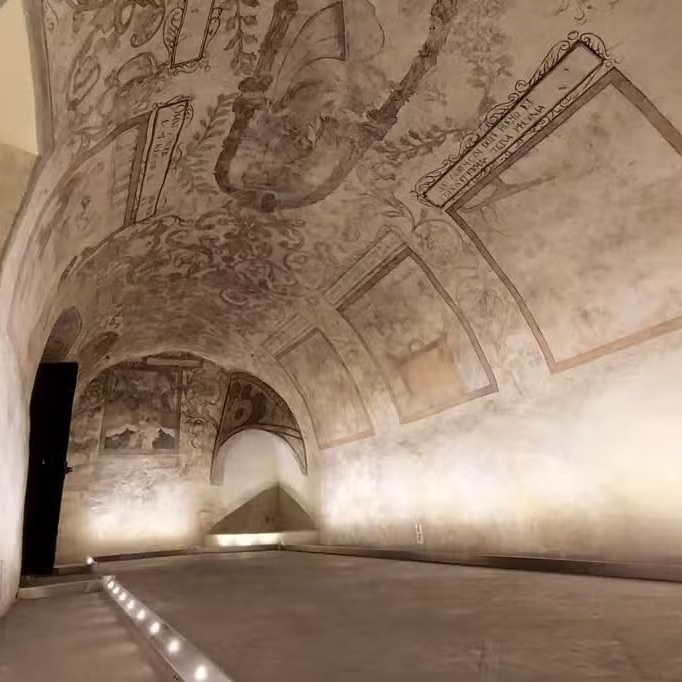
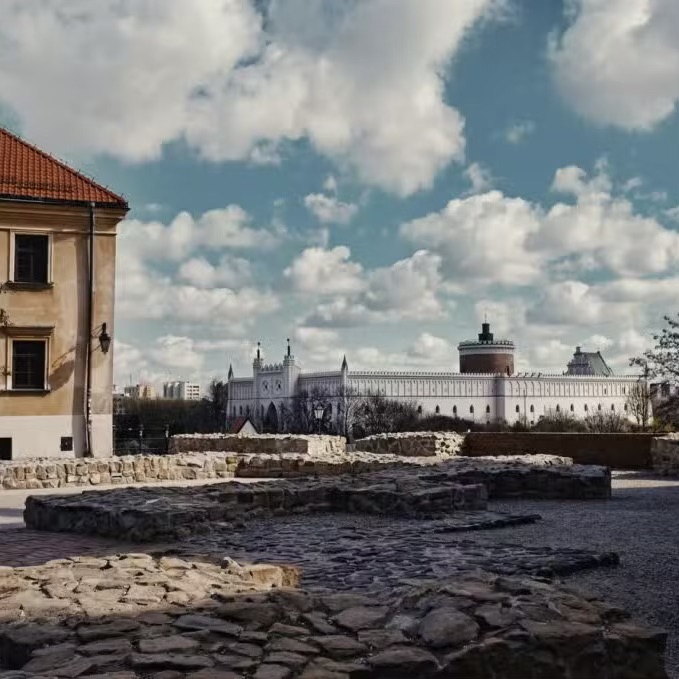
After that, the Old Town waits. Darlington has spent years hunting the bronze goats scattered around the square, each one tied to some local tale or figure. Norway has trolls; Lublin has bronze goats. While you circle, slip down into the Cellar under Fortuna at Rynek 8. Gosia says the seventeenth-century polychromes there count among the city’s best-kept secrets. Two minutes later, you reach Po Farze Square, where our other Spotter Gosia points out that the pavement still traces the outline of a church that vanished two centuries ago. Stand in the center, and you stand, technically, inside a building that no longer exists.
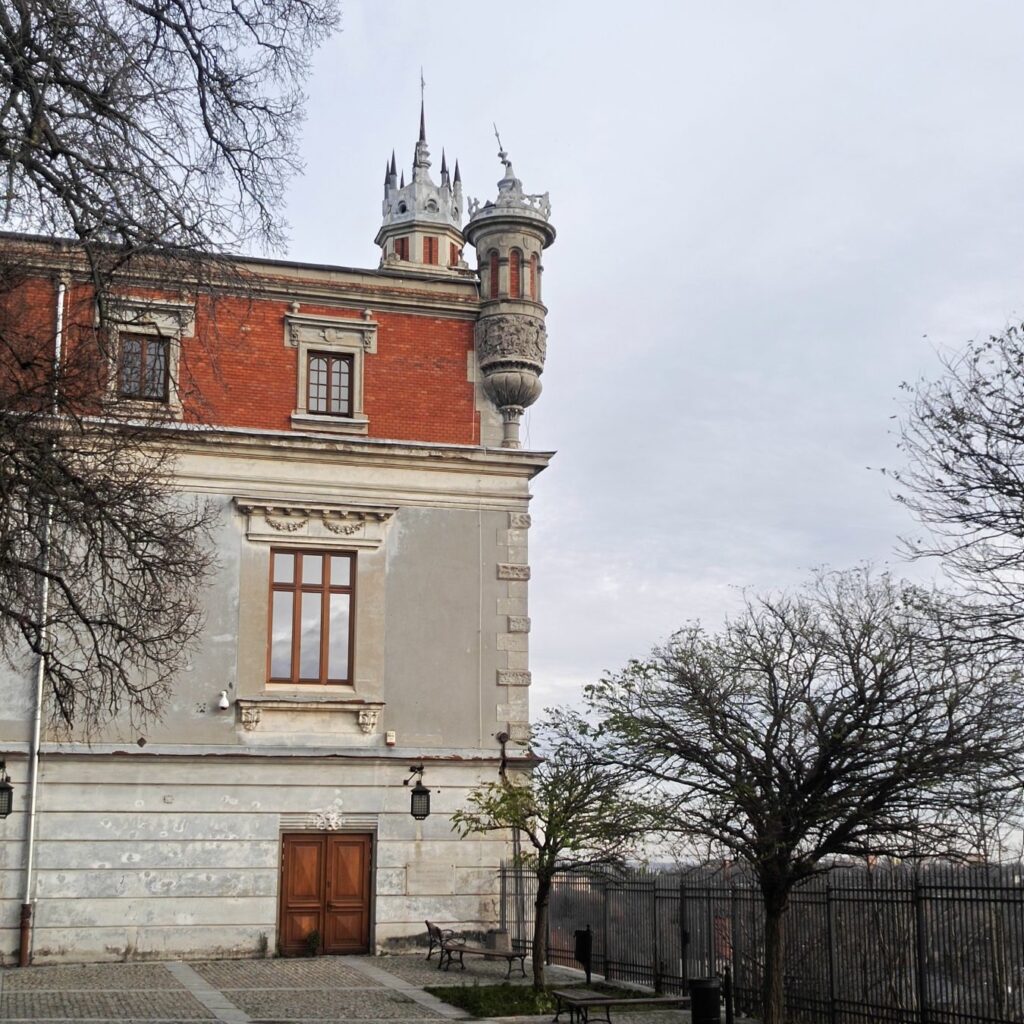
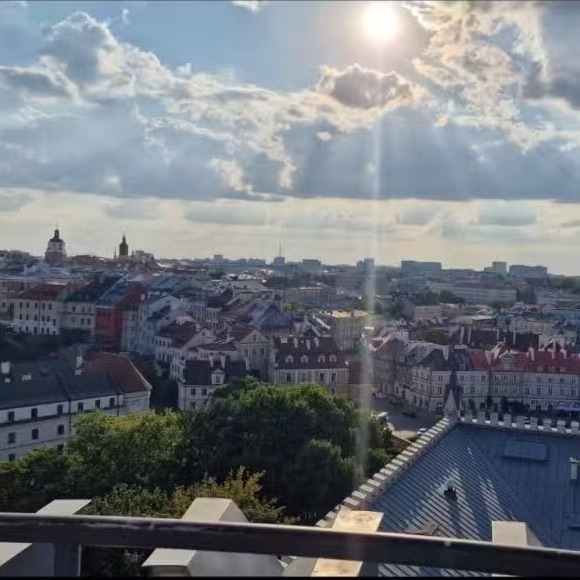
Through the Dominican Gate lies the Giedroyc Viewpoint, a quiet terrace of benches that most residents have never noticed, according to Gosia. A forgotten panorama sits only steps from the busiest square. Then comes the climb. The Lublin Castle tower, Darlington’s choice for the finest view, repays the stairs with rooftops and centuries of history laid out on the panels inside. Tickets cost between twenty and eighty złoty.
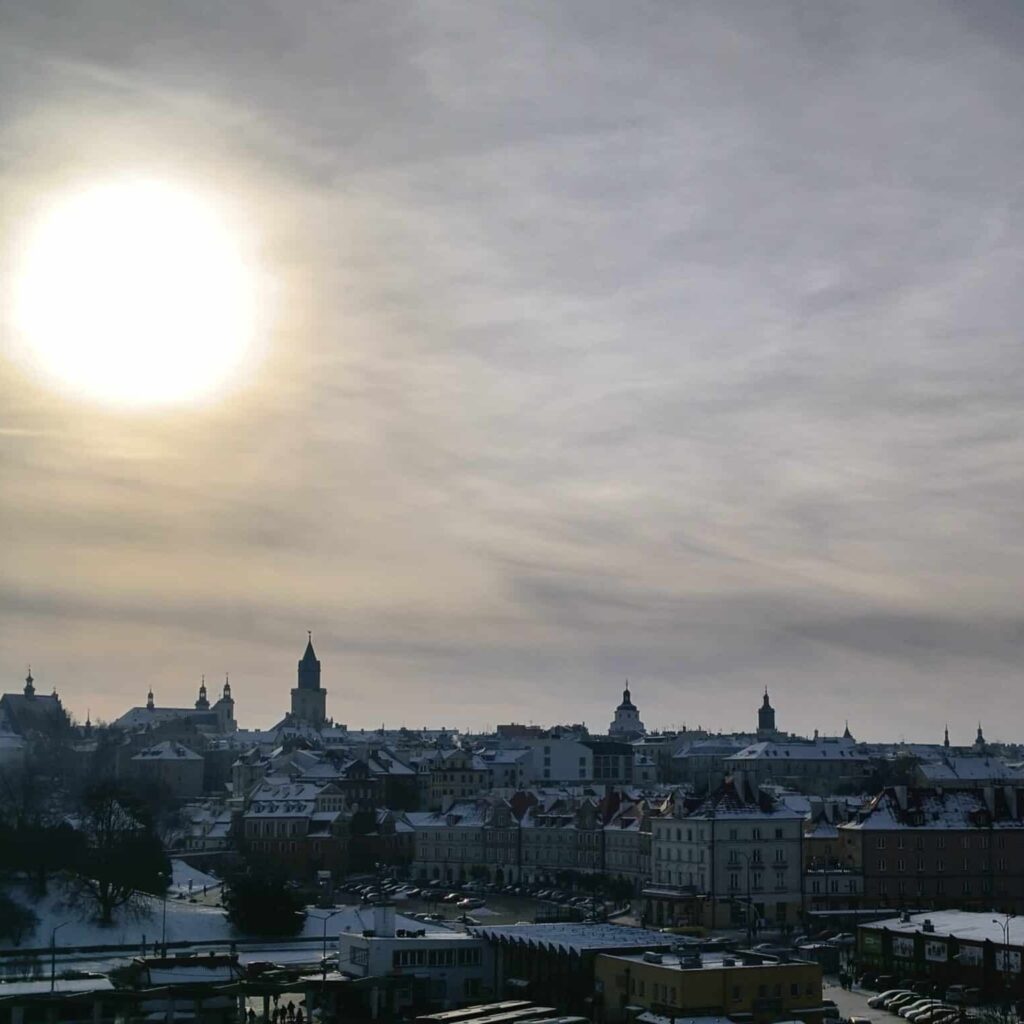
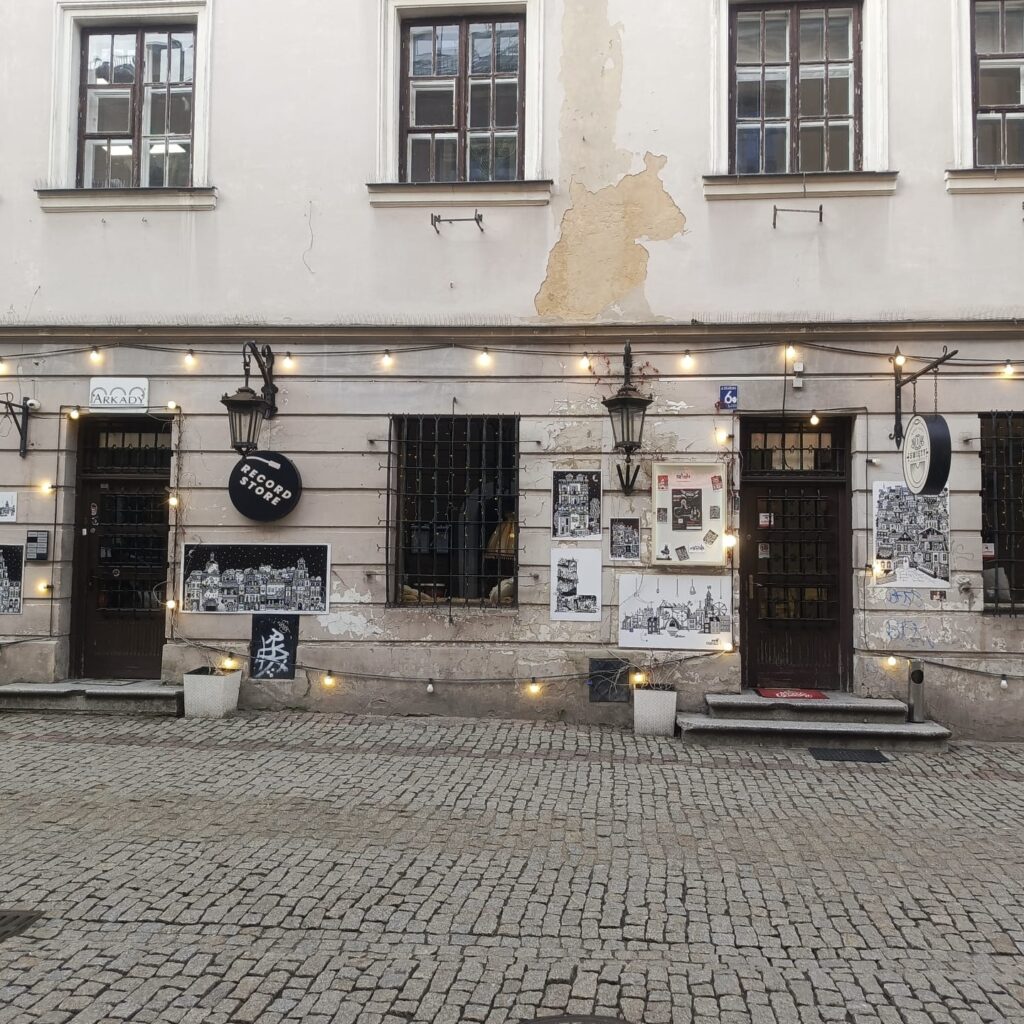
Farther north rises Wzgórze Czwartek, the hill where Lublin first took shape. Sabina describes it as the point where sixth-century traces meet a single chestnut tree and a church that has outlasted nearly everything else. On the way back through the Kraków Gate, stop at Święty Spokój, once a vinyl shop and now a bar and café combined. Kat uses it as her reading spot during daylight hours, with dim lights and sixties furniture, though the honey-sweetened rosemary-and-orange infusion tastes good at any hour.
Midday
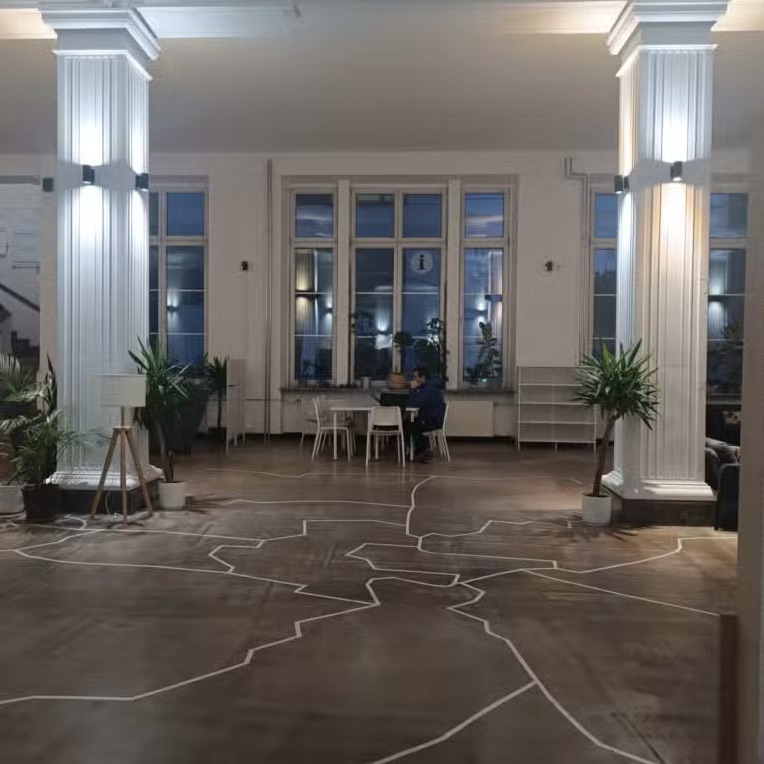
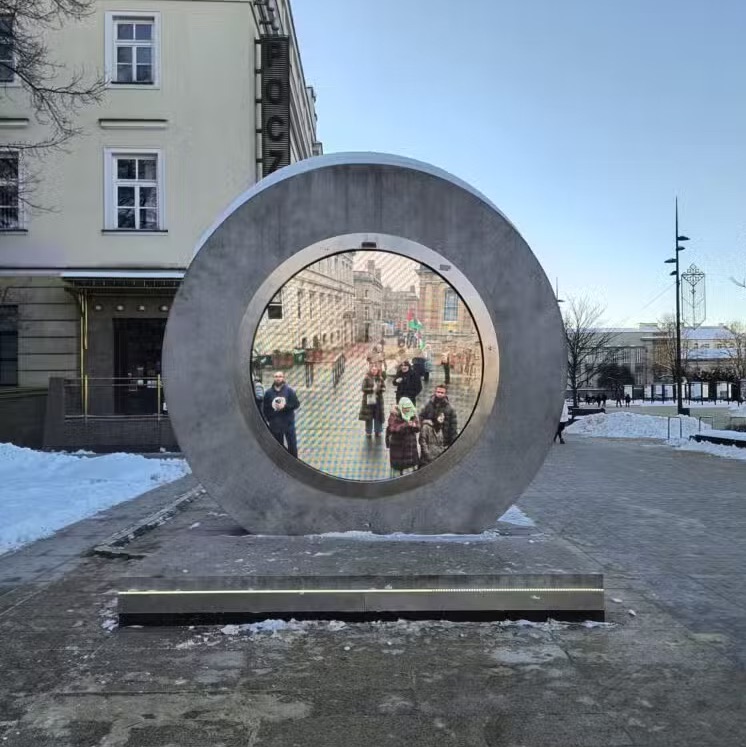
By midday, the promenade called Krakowskie Przedmieście draws you southwest, past the café where the day began. Baobab, Kat’s pick, proves that Lublin’s pre-war cultural mix never really disappeared. Housed in a former bank, it hosts free cooking evenings, watercolor classes, and welcome sessions for newcomers. Two minutes further, Materia Concept Store offers ceramics, jewelry, and beeswax candles made by young local artists, plus a poster of an imaginary metro that will never be built, yet still invites staring. You can also buy cinema tickets there, stamped with a loyalty mark called a CeKin. Around the corner at Plac Litewski stands the Portal, a circular screen that links Lublin live to Vilnius, Philadelphia, Dublin and Ipswich. Sabina calls it a literal window onto the world.
Afternoon
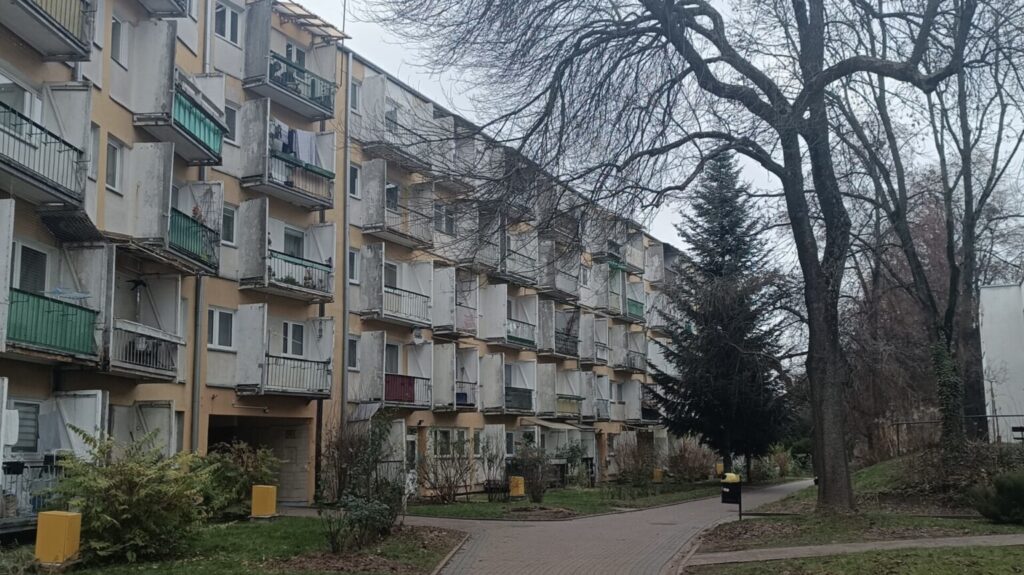
Afternoon takes you out by bus twenty-six or one-fifty to Osiedle Słowackiego, an architecture detour Kat recommends. The sixties estate designed by Zofia and Oskar Hansen follows their “Open Form” idea, in which residents themselves helped shape the layout while living there. Mosaics still cover every entrance, pure seventies Polish design.
Evening
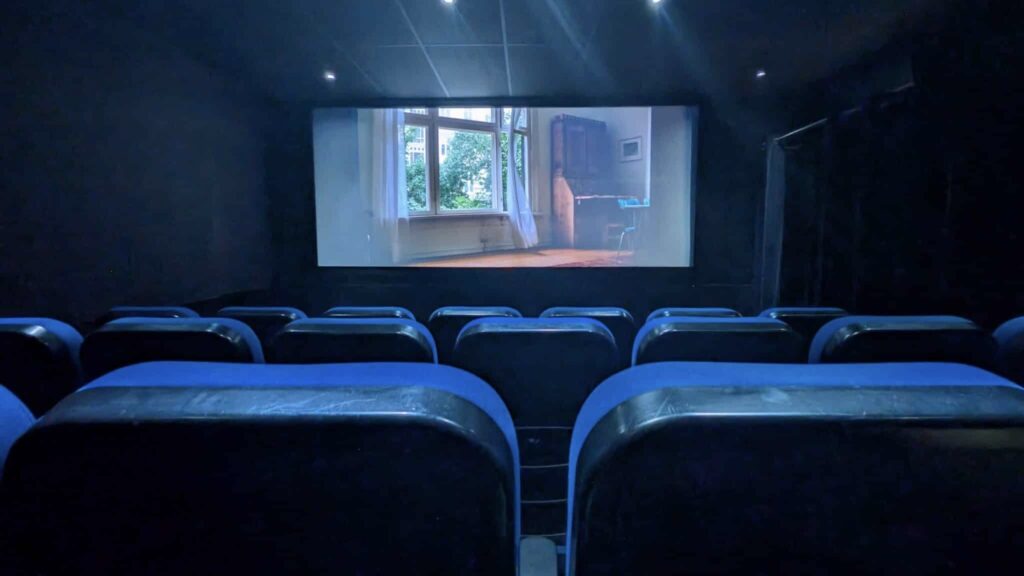
Evening winds down at Kino Bajka, the city’s last art-house cinema and, in Adriana’s view, the place that still holds Lublin’s old heart. Tickets hover around twenty-five złoty. It has run since nineteen ninety-one simply because people keep choosing it. Close the day at Labor, Adriana’s other favorite, an industrial-looking cocktail bar where the menu keeps changing and the bartenders will invent something if you just describe what you feel like. It costs more, yet you pay for the craft.
The route in short
In short the day runs like this: coffee at the oldest café, goats around the square, a Renaissance cellar, the outline of a vanished church, a hidden viewpoint, a castle tower, the founding hill, a record shop turned café, a living room for many cultures, a concept store with its imaginary metro, a screen that opens to four other cities, a Hansen housing estate, an art-house film, and finally a drink with no set recipe: six locals, one day, no shortcuts.
Want the longer version, or a Spotter’s view of your own neighborhood? You can explore all of Lublin or sign up to become a Spotter yourself.