

Looking for a place where stunning views are paired with historical mysteries? Welcome to Ano Poli, one of the most beautiful and traditional districts in Thessaloniki. Here, you can stroll around picturesque cobbled alleys, historic monuments, and colorful houses. This neighborhood offers one of the city’s most romantic views, making it a perfect place to admire the rays of the setting sun. Join us to explore Ano Poli’s historical churches, monuments, step back in time to the Byzantine era.
Journey through Byzantine History: Churches, Chapels, and Historical Monuments
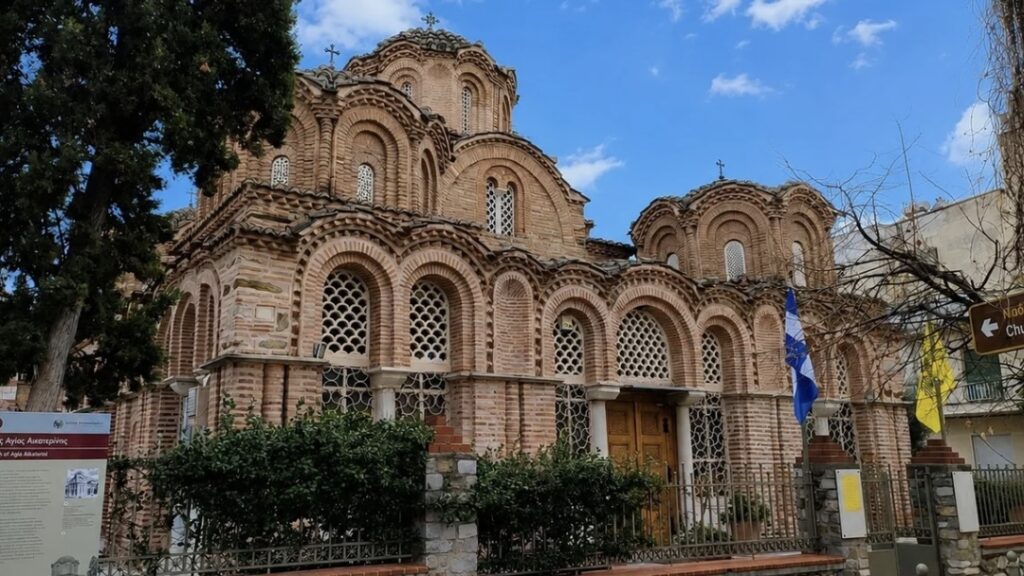
Let’s start our journey through history at the Church of St. Catherine, a hidden gem of the Upper City. The church was designed in the Byzantine style and dates to ca. 1300. Its interior is adorned with magnificent frescoes from the early 14th century, depicting scenes of Christ’s miracles in the main church and holy monks in the narthex. The building’s initial dedication still remains a mystery. However, some scholars suggest that the church was devoted to Christ and identify it with the Byzantine monastery of Christ the Almighty.
Our Spotter, Thanasis, considers the masonry and arrangement of the exterior design among the most beautiful in the entire city.
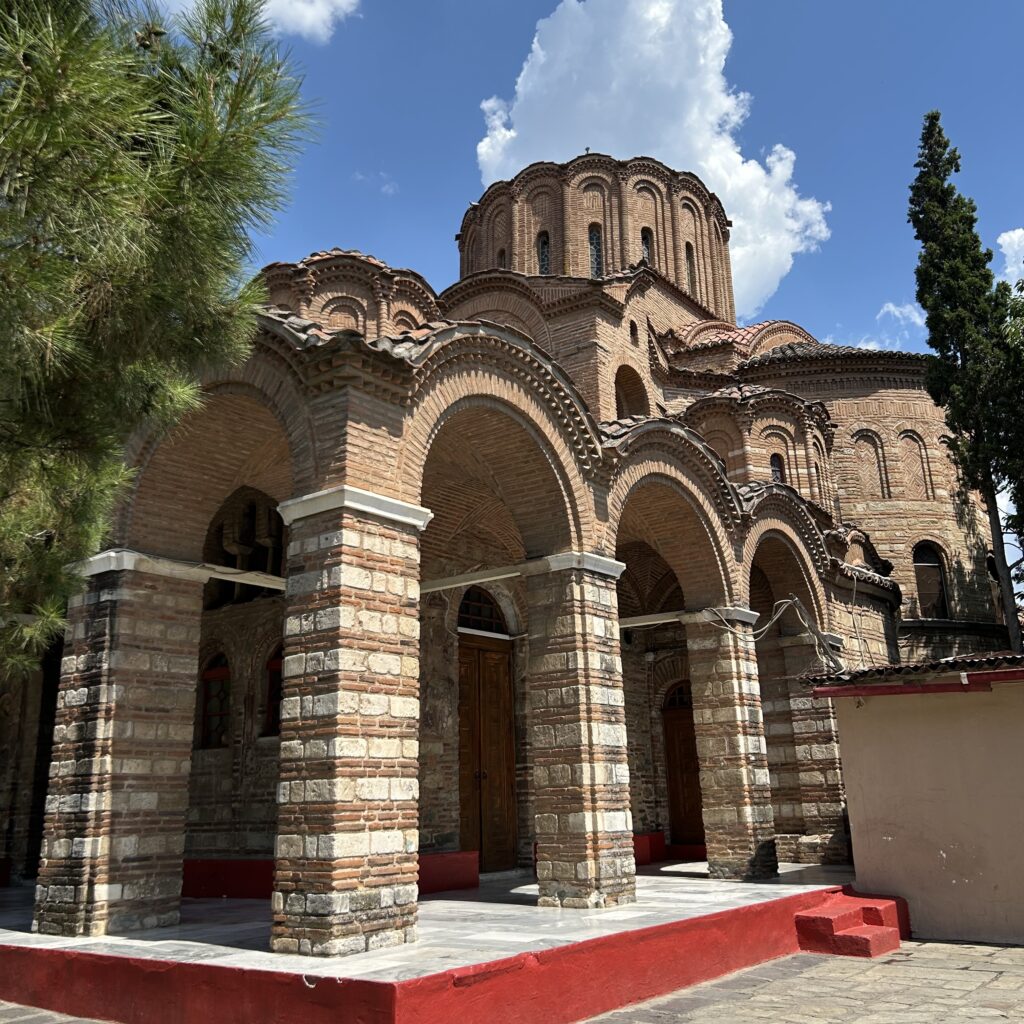
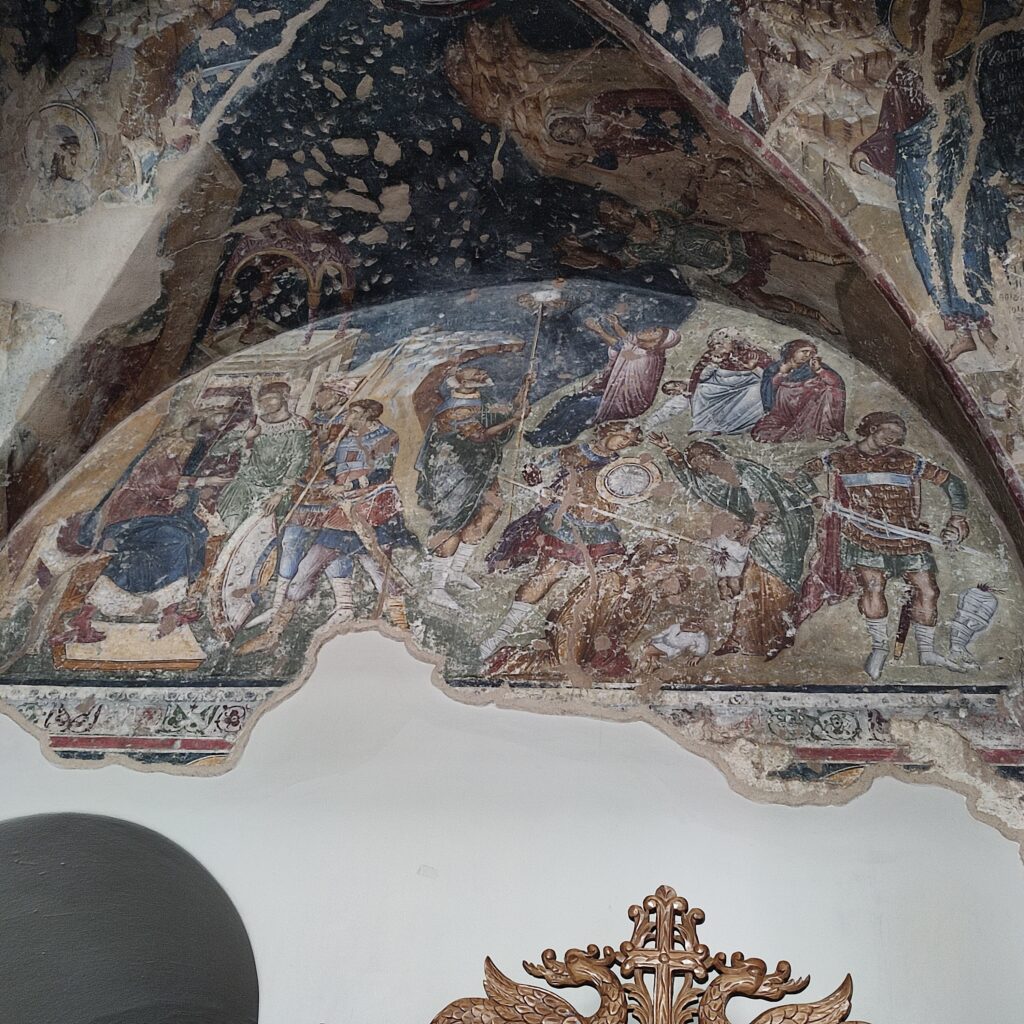
Following the Ολυμπιάδος street (Olympiados Street), you will be greeted by the next treasure of Byzantine architecture – the Church of Prophet Elijah. The church was built in the mid-14th century, during a time of unprecedented artistic flourishing in the city. The building is famous for its magnificent, breathtaking domes and rounded arches at the entrance. Each of these elements is made out of light-colored brick, which gives the place a peaceful and mystical character. If you decide to step inside, you will catch a sight of the magnificent narthex decorated with beautiful frescoes depicting Saints and biblical scenes. For locals, this sacred place is a symbol of remembrance and a reminder of the hardships faced by their ancestors.
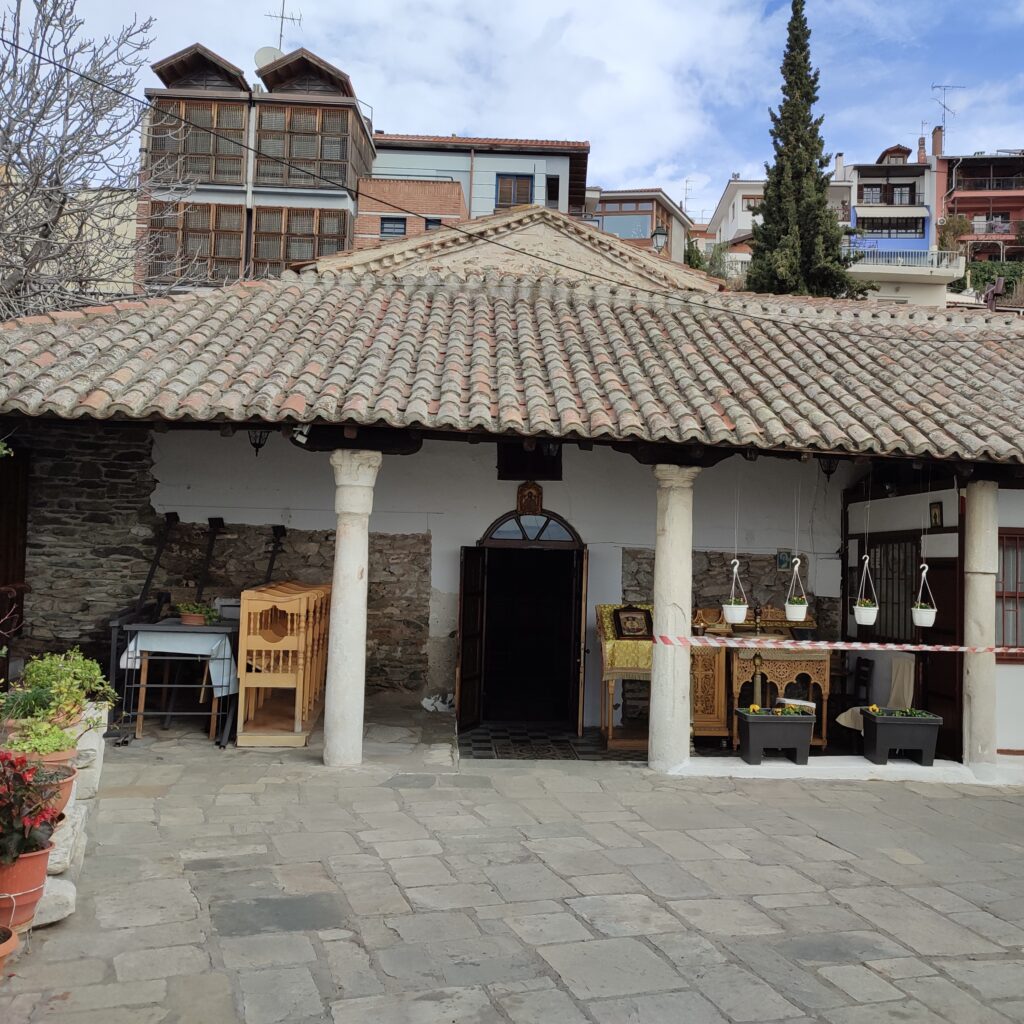
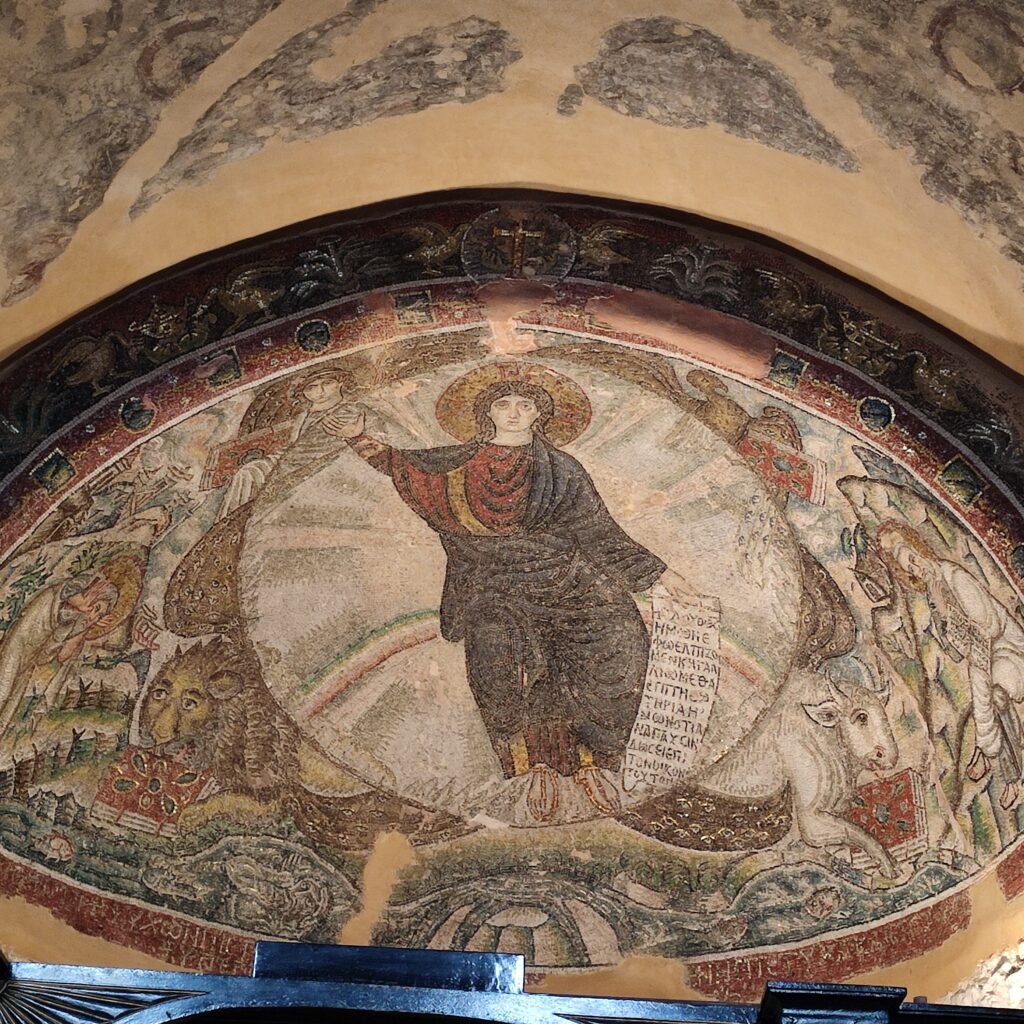
Just a few streets away, on a small hill with stunning views, you will reach another highlight of our journey – the Chapel of Hosios David. Its name derives from a Greek word “Hosios”, used for monastic Saints, usually translated as “venerable”. The chapel was initially dedicated to St. David of Thessaloniki, a monk who lived on an almond tree. Its interior features an exquisite apse mosaic, one of the finest examples of Byzantine art ever created. The masterpiece depicts a young Christ seated on a rainbow, surrounded by the four symbols of the Evangelists (an angel for Matthew, an eagle for John, a lion for Mark, and an ox for Luke). Another noteworthy work of art is the extant 12th-century frescoes depicting the Nativity and the Baptism of the Lord. After admiring Byzantine art, head to the courtyard with a magnificent view over Ano Poli – it’s the perfect place to relax and recharge before continuing your journey.
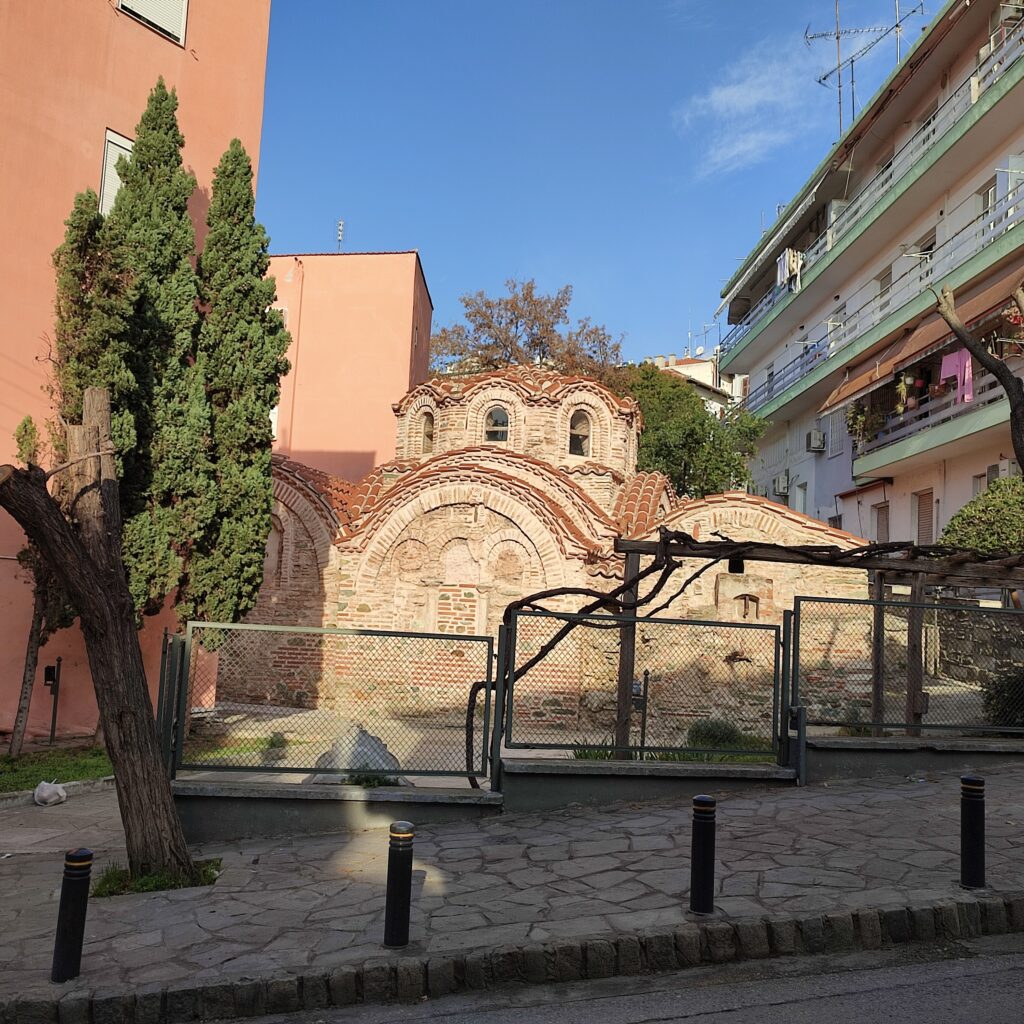
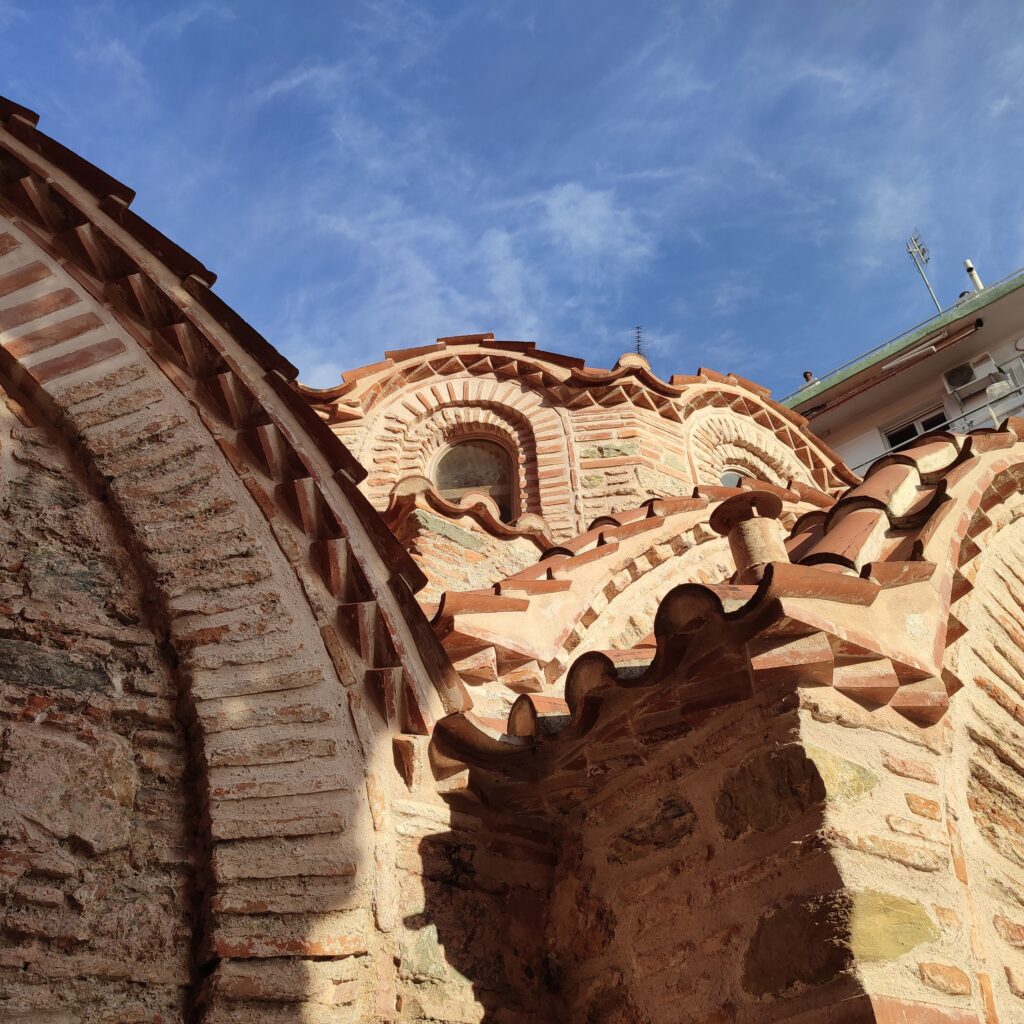
On your way down from the hill, while walking along Theotokopoulou Street, you’ll come across a unique monument located between the local residences. It is a Byzantine bath built in ca. 1200, following the design of a Roman bath. According to our Spotter, Thanasis, it is the best-preserved example of a Byzantine bathhouse in Greece. The building consists of an antechamber (apodyterium), a warm room (tepidarium), and a hot room (caldarium). Although it lacks a cold room (frigidarium), you will still find there an authentic water reservoir and a hearth, where the fire used to heat the bath was lit. For historical enthusiasts, it is a perfect place to step back in time and immerse themselves in the atmosphere of the Byzantine era.
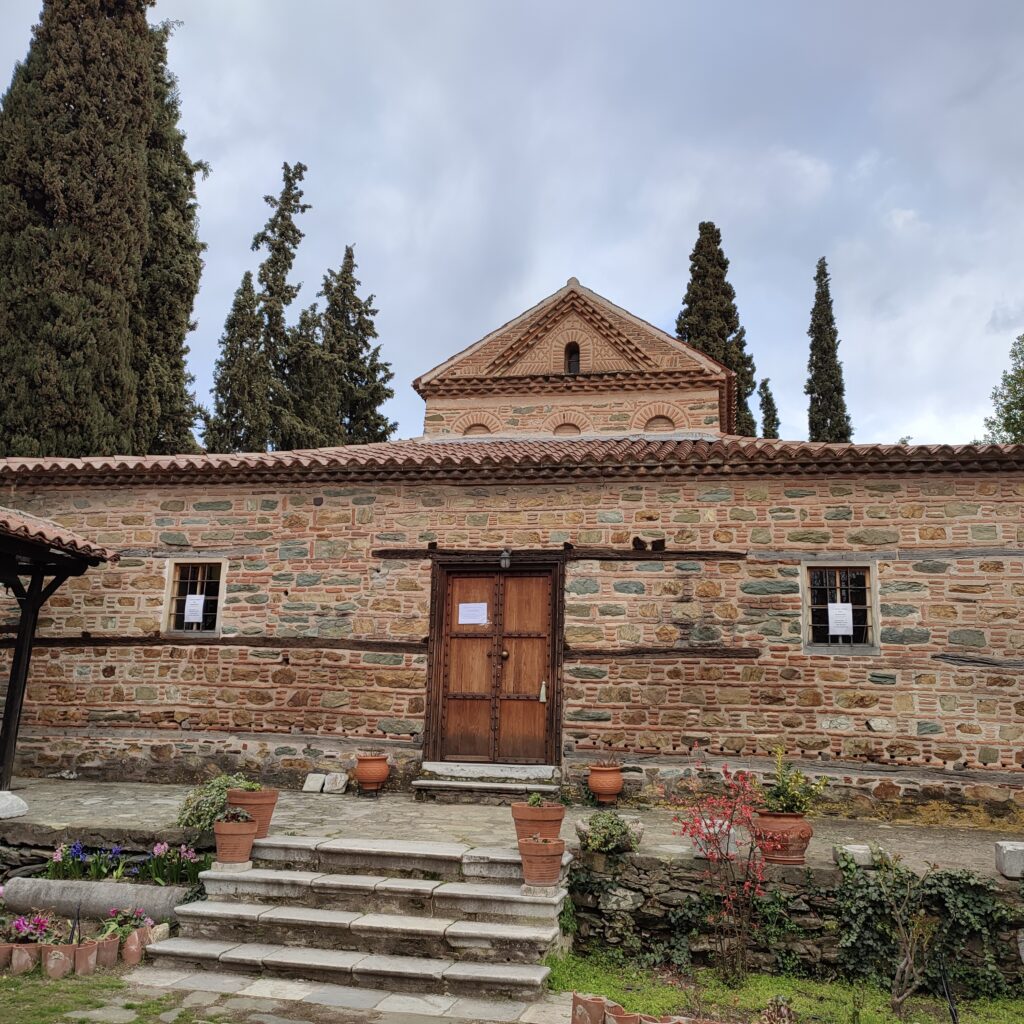
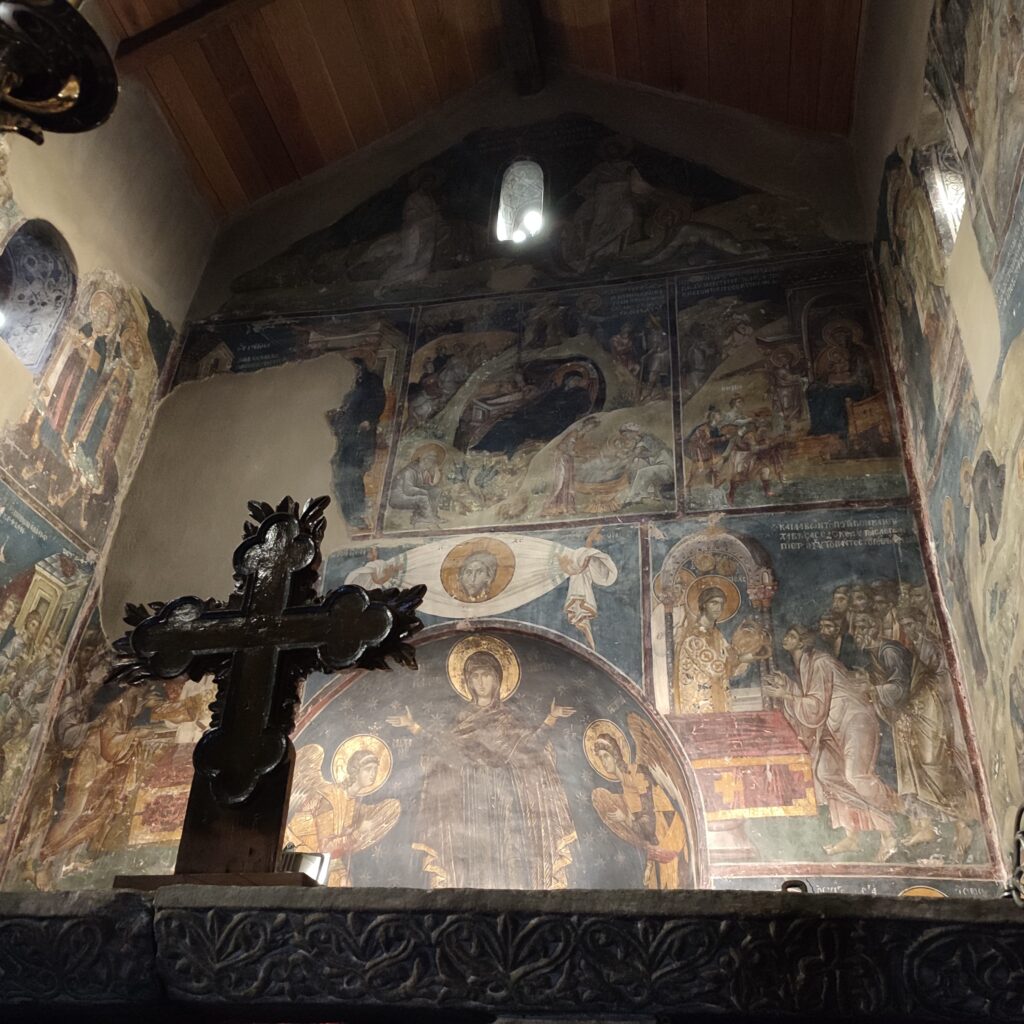
Another hidden Byzantine gem is the small Church of St. Nicholas Orphanos. Some scholars suggest that the origin of the name is related to Saint Nicholas, a holy bishop, who greatly supported orphans and widows. The church was built in the 14th century by the Serbian king Stephen Milutin, who, during his reign, created many palaces and churches in the city. Our Spotter, Thanasis, recommends paying attention to the gorgeous Byzantine wall paintings, which, if you look carefully, tell fascinating stories of the past. The church is also well-known for its exterior decorated with beautiful patterns of the masonry and greenery courtyard, a peaceful oasis where you can unwind and relax.
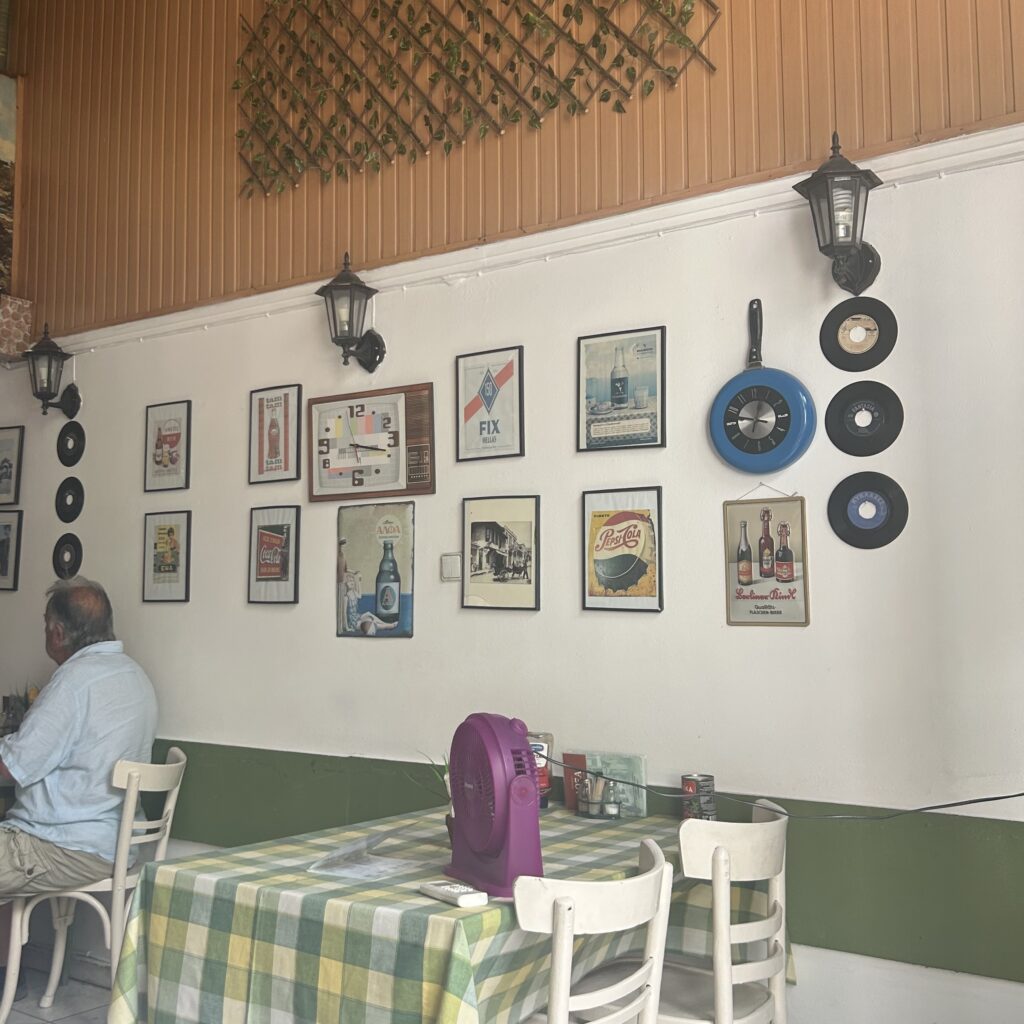
End of Journey: A Traditional Greek Taverna and its Local Flavors
At the end of your journey, when the rays of the sun hide behind the horizon, make your way to Dóxa to relax and discover the flavors of Thessaloniki. You’ll find traditional Greek cuisine there, including delicious grilled meat, fresh seafood, and a wide selection of local wines.
Locals recommend ordering veal steak with tzatziki, fried chicken bites, zucchini fritters, and eggplant salad. As for drinks, they suggest trying retsina, a traditional Greek wine infused with Aleppo pine resin. Its crisp flavor pairs well with fried dishes, perfectly balancing their rich, savory flavor. This small tavern is also an excellent place to experience authentic Greek culture with a great local community and familial atmosphere. For Valia, Doxa feels like home, bringing back memories of her grandmother and her homemade meals.
Looking for more hidden gems in Thessaloniki? Make sure to visit Spotted by Locals for authentic spots and travel recommendations written by our local Spotters.
Spotted by Locals is what travel content looks like when locals are in charge. Across 86 cities, 504 contributors share the places they love, without ads, without algorithms, and without a hidden agenda. Just the city, as it really is.